A Real-World Look at the Hiking Nature Embroidery Design
When a new embroidery file lands in my collection, my first question is always the same: where does it truly belong? The Hiking Nature design immediately presents a clear answer. It feels less like a graphic meant for a standard tee and more like a narrative for a specific kind of product. The mood is straightforward and friendly, leaning into a wholesome, outdoorsy aesthetic rather than an aggressive or overly detailed scene. The layout is balanced, with elements that suggest a clean, readable outcome after stitching—this is a design that wants to be seen clearly from a few feet away, perfect for apparel or decor that tells a simple story.
The Natural Habitat for This Design
In my mind, Hiking Nature finds its best home on items meant for personal use or heartfelt gifts. Imagine a custom embroidered tote bag for a friend who loves weekend trails, or a cozy, well-made sweatshirt for a small shop specializing in handmade, nature-inspired goods. The theme isn’t overly juvenile or overtly masculine; it has a universal, approachable quality. I’d instinctively steer it towards baby clothes like a knitted blanket for a nursery, a classic apron for a cottage-core kitchen, or a durable patch on a canvas backpack. Its visual personality is cheerful without being loud, making it a strong candidate for holiday gifts—think a personalized pillow cover for a Christmas cabin or an embroidered tea towel set for a wedding gift.
Where Hiking Nature Performs Beautifully
On stable, medium-weight fabrics, this design should stitch out with satisfying clarity. A cotton tote bag, a fleece sweatshirt, a linen pillow cover—these are its ideal canvases. The likely use of fill stitches for larger elements and satin stitches for outlines will create a pleasing texture that elevates a simple product. For a creative entrepreneur, using it on a craft business item like a branded apron for a gardening shop adds instant, trustworthy handmade presentation. In a digital product preview or printable mockup for an Etsy listing, its clean composition helps potential buyers instantly visualize the finished product, boosting engagement.
Cautionary Terrain: Where to Tread Carefully
Any design’s potential pitfalls are where practical judgment matters most. The detail level in Hiking Nature suggests you should be cautious on very small hoop sizes. Trying to cram it onto a curved surface like a cap might compress those natural elements, losing clarity. On thin or stretchy fabric, like a fine t-shirt, the stitch density could become a concern, potentially leading to puckering without the right stabilizer. Embroidering it on dark fabric requires a thoughtful thread color strategy—a test on scrap fabric is essential to ensure contrast and readability.
Also, consider the product’s lifespan. Items that need frequent washing, like baby garments or kitchen towels, demand a robust stitch structure. Inspect the file’s small details and corners; if they are too tiny, they might not withstand wear over time. For layered garments or textured fabrics, the design’s success hinges entirely on your stabilizer choice and machine settings.
The Impact on Your Project’s Value
Using a design like this isn’t just about decoration; it’s about communication. When stitched well, Hiking Nature enhances product value by feeling intentional and crafted. It builds customer trust because the outcome looks professional and fit-for-purpose. For brand consistency, if your small shop merchandise revolves around nature and craft, this design slots in seamlessly. Its giftability is high—it conveys a specific, positive sentiment without needing explanation. For an apparel decorator, it offers a ready-made asset that can be adapted across a line of products, from boutique hoodies to embroidered blankets, creating recognition.
Practical Notes From the Worktable
Before you commit this to a final project, here’s my routine. Always test the embroidery file on a scrap of the actual project fabric. This isn’t just about checking machine compatibility; it’s about seeing the physical texture of the stitches. Review the implied stitch density by observing the design areas—are there large, solid fills that might need adjusting for your fabric? Check the effective hoop size needed; the design’s scale will dictate this.
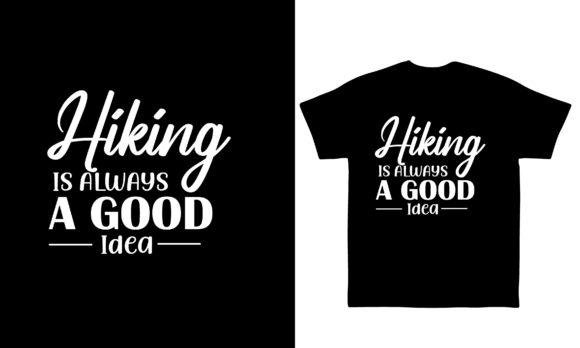
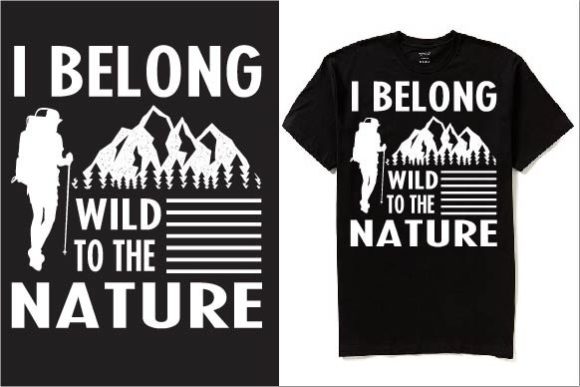
Inspect the small details on-screen. Zoom in. Are there elements that might vanish or merge when stitched? Run a simple test: create a black and white mockup of the design. This reveals its fundamental form, stripping away color dependency. Compare how it might look on both light and dark fabric backgrounds mentally; this guides your thread palette. Crucially, confirm the licensing. The product is categorized under T-Shirt Designs and Graphics. Before selling finished items or using it in commercial embroidery projects, you must understand the permissions granted. If exact terms aren’t provided in the listing, it’s your responsibility to seek clarification.
Making Hiking Nature Your Own
The true beauty of a digital embroidery design lies in its application. Hiking Nature feels like a versatile starting point. It could be the centerpiece on a child’s nursery decor piece, a subtle accent on a camp-style cap, or the charming logo on a series of market totes for your handmade business. Its appeal stems from its thematic clarity. In a crowded craft fair, a well-embroidered product using this design stands out because it speaks directly to a shared interest and a wholesome mood. It doesn’t try to be everything; it knows what it is. As a designer, that’s the kind of file I appreciate—one that suggests its own best use and, with careful execution, fulfills that promise beautifully on the final, stitched product.