A Designer's Take on This Nature Graphic for Embroidered Projects
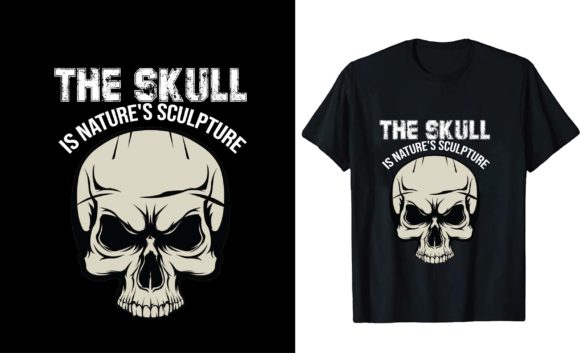
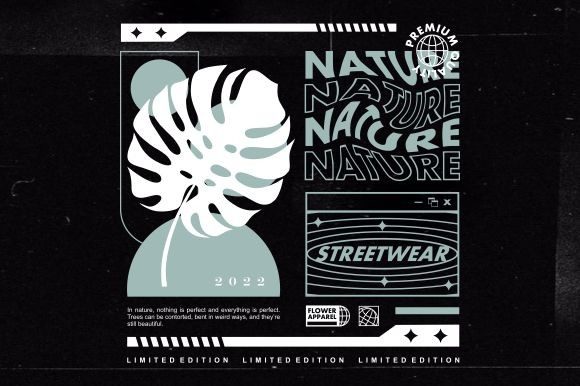
When you're looking for a graphic to translate into thread and fabric, you're not just looking at an image. You're judging its potential as a tactile, three-dimensional object. That's the lens I'm using to look at this Nature Graphic Design for T Shirt. My immediate thought? This isn't just a screenprint candidate; it's a strong contender for a thoughtful embroidery project that adds a handmade touch.
The Visual Mood: Where This Design Naturally Belongs
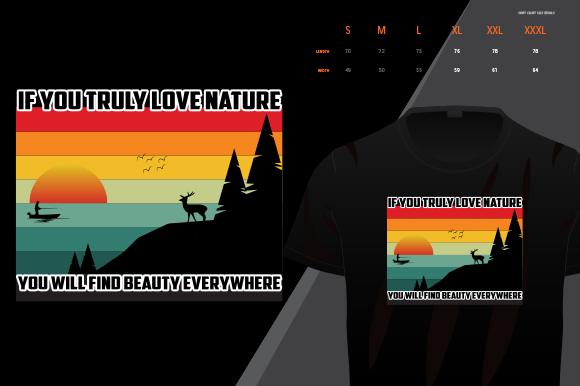
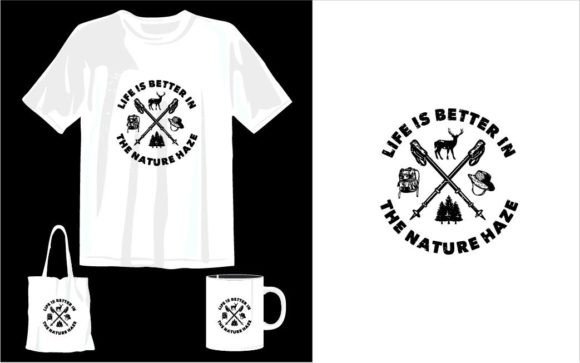
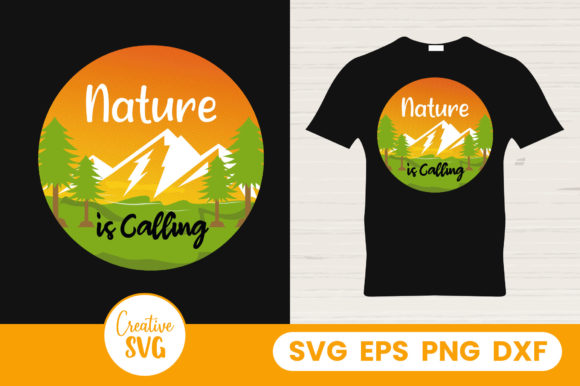
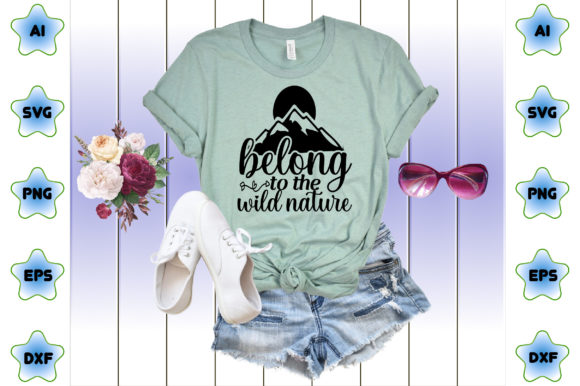
First impressions matter, both for you as the maker and for your eventual customer. This graphic carries a balanced, organic feel. The composition suggests a sense of calm and connection, which is exactly the mood many buyers seek in personalized apparel and home goods. It doesn't scream; it invites. That personality makes it a natural fit for projects meant as gifts, for boutique merchandise aiming for a quiet sophistication, or for personal items that celebrate a love for the outdoors.
I picture this design embroidered on a canvas tote bag for a gardener, or as a central motif on a linen pillow cover in a cozy living room. It would work beautifully on a baby's organic cotton blanket—the theme is gentle and welcoming. The level of detail present in the provided SVG and AI files at 300dpi means you have clear, sharp artwork to work from, which is crucial when you're translating lines into stitches.
From Digital File to Stitched Reality: The Practical Considerations
Having the artwork in vector formats like SVG and AI is a significant advantage. It means you can scale the design to your needed hoop size without losing integrity. But scaling is where your embroidery judgment kicks in. For a clean finish, you need to consider how those details will behave as stitches.
For instance, imagine using this for an embroidered patch. The defined shapes would allow for crisp satin stitch borders and clean fill stitch areas. On a sweatshirt or cap, the design's layout would provide good coverage and visual impact. However, on a delicate item like a thin cotton tea towel, you'd need to be mindful of stitch density to prevent the fabric from puckering or becoming too stiff.
Where This Design Excels and Where It Needs Care
Let's walk through a real scenario. You're a small shop owner preparing a batch of custom embroidered aprons for a local boutique. You want a design that feels artisan, not mass-produced. This nature graphic fits that bill perfectly. On a sturdy apron fabric, the embroidery will stand up well to use and washing, and the theme connects with handmade, culinary, or natural lifestyle brands.
However, not every project is an apron. On a stretchy fabric like a standard t-shirt, you must use a robust stabilizer to maintain the design's shape during wear. Embroidering on a curved surface like a cap requires careful positioning to ensure the graphic's balance isn't lost on the seam. And if any elements within the design include very fine lines or tiny details, those might need to be simplified or slightly enlarged in your embroidery software to prevent stitch clutter.
For dark fabric backgrounds, thread color contrast is paramount. The full-color workspace files help you plan your palette, but you should always test on scrap fabric first. Stitch a small section on both light and dark scraps to see how the color relationships translate into thread. This step builds customer trust—it ensures the final product looks professional and intentional, not haphazard.
The Impact on Your Business and Your Customer
Using a well-composed graphic like this elevates your finished product. It moves beyond a simple decoration into a cohesive design element. For an Etsy seller or a crafter at a market, that perceived value increases. A customer looking at an embroidered sweatshirt with this design sees a thoughtful handmade product, not just a shirt with a logo. That boosts engagement and can turn a single sale into a repeat customer who appreciates your design curation.
For commercial embroidery projects or for creating printable mockups for your digital product listings, the high-resolution source files are key. They provide the clarity needed for professional presentation. Remember, though, to always confirm the licensing terms. The description states it can be used for digital printing and screenprinting, but you should verify that selling physical embroidered items or digital embroidery files derived from the artwork is permitted. That clarity protects your craft business.
Your Designer Checklist Before You Hoop the Fabric
Before you commit this design to a final project, run through these practical notes. They save time, materials, and frustration.
- Test, Test, Test. Always embroider the design on a scrap of your intended project fabric first. Check for stitch density issues, tension problems, and color clarity.
- Consider the Scale. Decide your hoop size based on the final product. A large design on a baby item might overwhelm it; a small version on a tote bag might feel insignificant.
- Mind the Texture. Textured fabrics like linen or waffle-knit can obscure finer details. A simpler section of the graphic might work better.
- Plan for Durability. For items needing frequent washing, like kitchen towels or kids' clothes, review if any extremely dense stitch areas could become abrasive or wear poorly.
- Look at It in Black and White. In your software, preview the design without color. This helps you see the pure structure and identify any potential problem areas where shapes might merge when stitched.
The Nature Graphic Design for T Shirt offers a solid foundation for a wide range of embroidery projects. Its strength is its adaptable, serene theme and the quality of the provided digital assets. By applying your embroidery expertise to its translation from screen to stitch, you can create personalized gifts, commercial merchandise, and handmade products that carry both beauty and substance. Approach it with a maker's eye for detail, and it will reward you with a finished product that feels genuinely crafted.