A Designer's Review of I Be Loge to the Wild Nature
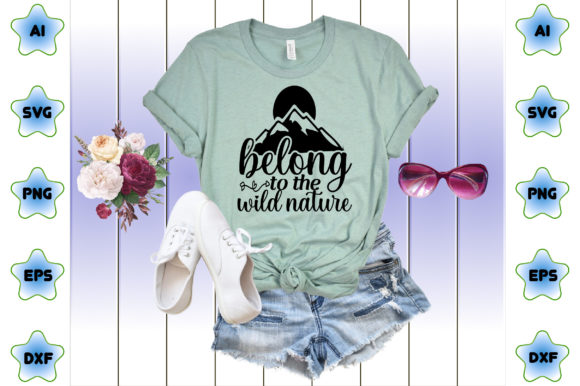
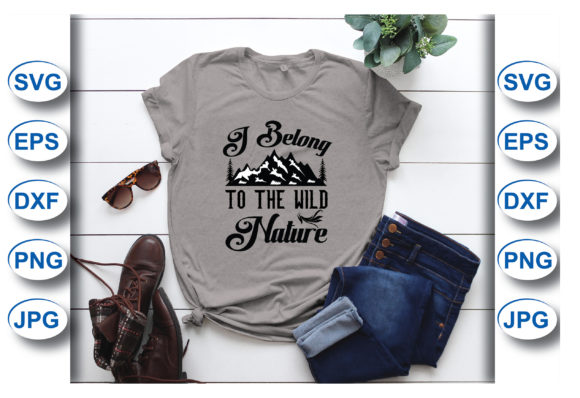
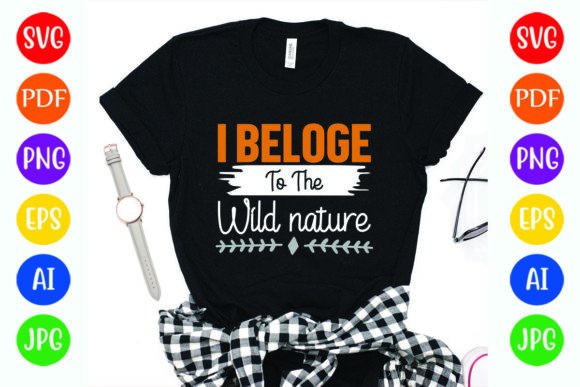
There’s a quiet magic to designs that feel like they’ve been plucked straight from a forest floor. I Be Loge to the Wild Nature has that feeling. As a designer who regularly evaluates embroidery files for real client work and my own shop, my first impression wasn't just about the graphics—it was about the mood. This design whispers rather than shouts. It’s a gentle, organic arrangement of botanicals and text that feels nostalgic and hand-drawn, perfect for projects that need a touch of personal, earthy charm.
The Kind of Project This Design Calls Home
I immediately pictured this on a natural canvas tote bag or a soft, oatmeal-colored sweatshirt. The layout, with its cascading leaves and delicate lettering, lends itself to a central placement, making it a standout feature on a simple garment or accessory. It wouldn’t feel forced on a baby’s romper or a cozy pillow cover meant for a cabin bedroom. The theme is universal enough for nature-loving customers but specific enough to feel special. I envisioned using it for a personalized gift—a kitchen towel for a gardening friend or a custom apron for someone who loves rustic decor. In a boutique setting, this design could anchor a whole line of woodland-themed merchandise.
Where Stitching Brings the Design to Life
In practical embroidery situations, the success of a design hinges on clarity and stitchability. The 100 vector shapes mentioned suggest good segmentation, which is crucial for clean satin stitches around the lettering and fill stitches in the leaf elements. On a dense fabric like a canvas tote, I’d expect excellent definition. On a stretchy t-shirt or a lightweight baby blanket, proper stabilizer would be key to prevent puckering, especially in any denser fill areas. The small detailing in the botanical elements means you’d want to test it on scrap fabric first to ensure your machine handles the corners and tiny curves beautifully. For a curved surface like a cap, the overall circular flow of the design could work well, but careful hooping and testing would be essential.
Navigating Fabric and Application Choices
Not every design is suited for every fabric. I Be Loge to the Wild Nature, with its likely mix of fine lines and fuller shapes, should be used carefully on very dark fabrics unless you plan for bold, high-contrast thread colors. The intricate lettering might lose clarity on highly textured fabrics like certain sweaters. For products destined for frequent washing—think everyday tea towels or kids’ apparel—you’d want to ensure the stitch density is balanced to maintain durability. This isn’t a design I’d automatically choose for a very small hoop size; its charm lies in its composition, and shrinking it too much might compress those lovely details.
Adding Value to Your Craft Business
From a commercial perspective, this embroidery file offers solid value. The provided formats—AI, EPS, SVG, PDF, PNG—give immense flexibility. You can easily resize for different products without quality loss, and the vector basis means modifying colors for seasonal collections (think autumn hues or spring pastels) is straightforward. For an Etsy seller creating personalized gifts, this adaptability is gold. A well-embroidered version of this design on a high-quality product elevates perceived value; it feels thoughtful and handmade, which builds customer trust. It aligns beautifully with brands centered on sustainability, nature, or simple living, enhancing brand consistency across different items like patches, pillow covers, and apparel.
Practical Notes From the Hoop
Before running this machine embroidery design on a final project, I always follow a personal checklist. For I Be Loge to the Wild Nature, I would:
- Test it on scrap fabric matching my final product’s weight and texture.
- Check thread color contrast against both light and dark background mockups. A simple black and white preview can reveal clarity issues.
- Review the stitch density in my embroidery software to ensure it’s appropriate for my chosen fabric—too dense on a thin t-shirt can lead to stiffness.
- Inspect the small details in the lettering and leaf veins to confirm they will stitch out cleanly at my intended size.
- Confirm the licensing terms for the digital embroidery file, especially if I plan to sell the finished products commercially or use it in digital product previews for my shop.
- Use the proper stabilizer for the project; a design with this mix of elements often benefits from a good, tear-away or wash-away foundation.
Embroidery is a translation from screen to thread. A design like this, with its organic flow, has the potential to translate beautifully, creating a product that feels both professional and deeply personal. It’s a design that doesn’t just decorate an item—it gives it a story. For the maker, it’s a versatile asset. For the customer receiving an embroidered tote, sweatshirt, or holiday gift, it’s a piece of wearable, usable art that speaks to a love for the wild, quiet places.